
Evaluation of Electoral Volunteers and improvement of the election administration
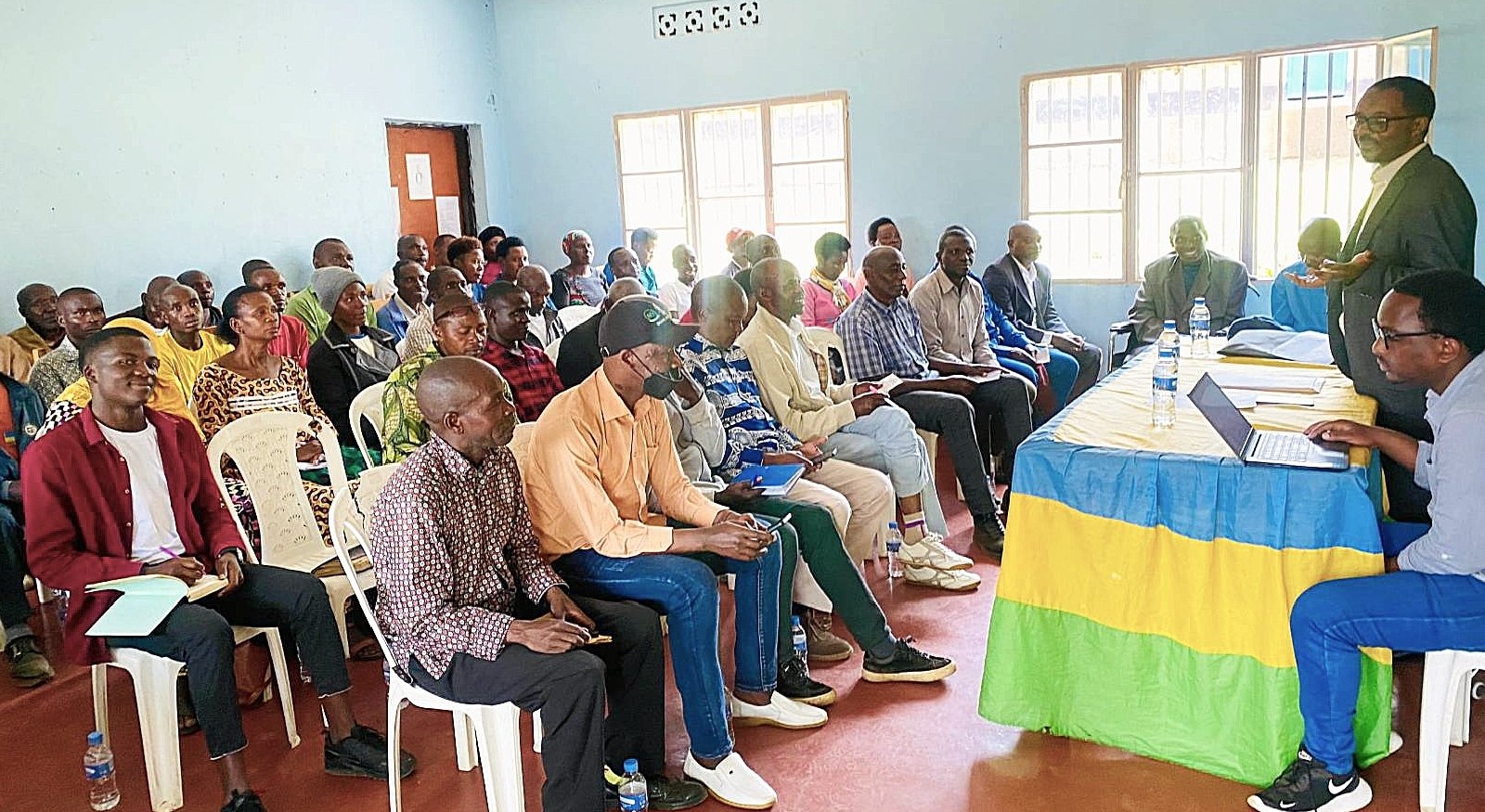
The National Electoral Commission on Tuesday, March 10, 2026, began the evaluation of Election volunteers countrywide.
The exercise aims to assess how they have fulfilled their responsibilities during last elections, identify their strengths and areas for improvement. This evaluation will also help identify ways to improve their training and help them to perform better in the upcoming elections.
What are the responsibilities of Election volunteers?
Volunteers play a key role in the smooth conduct of elections. They assist in various activities including: preparing polling stations, receiving and maintaining election materials, receiving and directing voters, counting votes, providing civic education on elections, monitoring the progress of election activities, and so on.
To ensure that their work is carried out effectively, an annual evaluation is conducted to review achievements, challenges encountered, and what can be done to continue improving.
During elections, volunteers are on the front lines in helping voters to access to information about the elections, guiding voters to polling stations, explaining how the election is conducted, and helping to ensure that elections are conducted efficiently and transparently. Volunteers reduce the cost of elections, so that the budget spent on elections does not burden the Government.
Since they exist, electoral volunteers have played a key role in ensuring the smooth running of elections, as they generally work with dedication and commitment.
The evaluation began with those working at sectors level and will extend to those in the polling stations. The results of this evaluation will help improve the training provided to them by the National Electoral Commission, increase collaboration with various institutions.
In the recent Presidential and Parliamentary elections of 2024, the Commission used approximately one hundred thousand (100,000) volunteers working from polling stations, polling sites, and sectors.